

Carbon has a reputation problem. People assume it is fragile, that it has a shelf life, that it quietly weakens until one day it fails. The engineers who design and test these frames say something close to the opposite. This guide sets out what actually limits a carbon frame's life, how to inspect one, and what can be repaired.
This is part of IKUISTA Tech Notes, our plain-language guides to the engineering behind the bike.
What a carbon frame is
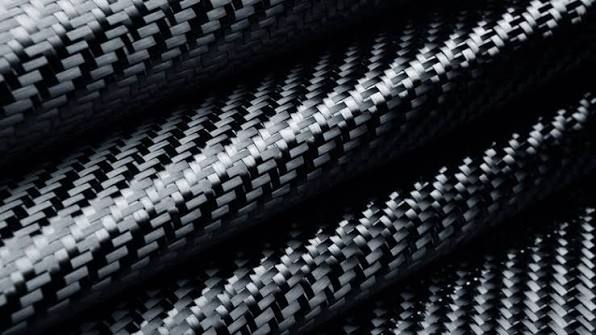
A carbon frame is not carbon fibre alone. It is a composite: fibres that carry the load, and an epoxy resin that binds them and holds them in position. A useful comparison is reinforced concrete, where one material provides tensile strength and the other holds the structure together. The two behave very differently, and most of the confusion about carbon comes from treating the composite as if it were a metal.
Why carbon does not fatigue like metal
Metals fatigue. Every load cycle does a tiny amount of irreversible damage, and given enough cycles a metal structure weakens and eventually fails. That is why aluminium frames are generally understood to have a finite life.
Carbon composites do not work that way. Engineers who run these tests describe the fatigue life of the fibre itself as effectively unlimited. A senior engineer at Specialized has said that in their fatigue testing they almost never see a failure, and that a metal frame subjected to the same total cycles typically would not survive. Cervelo's engineering position is similar: well-designed carbon frame structures can have essentially infinite fatigue life. Asked how long a carbon bike can last, Scott's head of bicycle engineering answered that it could last a lifetime.
So the everyday flexing of riding, including rough roads, is not what kills a carbon frame. That is the central point, and it is the opposite of what most riders assume.
What actually limits the life of a frame
Four things do, and none of them are ordinary riding.
Impact. This is the real one. Carbon does not bend and stay bent, it cracks or delaminates. A crash, a hard pothole strike, or a fall in a car park can cause damage that ordinary use never would. The danger is that impact damage can be internal and invisible from outside, which is why any significant crash deserves an inspection rather than a shrug.
Over-tightening. Clamping a seatpost, stem, or bar too hard is one of the most common causes of frame damage, and it is entirely avoidable. Carbon tolerates high loads in the directions it was designed for and does not tolerate being crushed. Use a torque wrench and the manufacturer's figures, every time. This single habit prevents a large share of the damage we see.
The resin, slowly. The fibres do not degrade. The resin can, given sustained UV exposure, heat, or humidity over long periods. Modern UV-resistant resins and paint make this a minor factor for a bike that lives indoors, but it is the reason a frame should not be stored in permanent direct sunlight or left in a hot car repeatedly.
Corrosion at metal joints. Where metal parts meet carbon, and the interface is not sealed and kept clean, galvanic corrosion can set in. Wet, salted winter roads make this worse. In a Nordic climate this is a genuine consideration, not a theoretical one, and we cover it in detail in our guide to riding through a Nordic winter.
Notice what is missing from that list: mileage. There is no odometer reading at which a carbon frame expires.
How to inspect a frame
Do this after any crash, and once or twice a season as a habit.
Look first. Clean the frame and examine it in good light, particularly around the head tube, down tube, bottom bracket, chainstays, and seat tube clamp. You are looking for cracks, and for paint that has bubbled, blistered, or gone dull in a patch. Spider-web cracking in the paint can be cosmetic, but it can also sit above damage underneath.
Then listen. Tap along the tubes with a coin or a fingernail. A healthy structure gives a consistent, sharp sound. Delamination underneath usually gives a duller, deader note. It is a crude test that works surprisingly well, and it costs nothing.
Then feel. Run your fingers over the surface for soft spots, ridges, or areas that flex differently.
If anything is ambiguous, stop riding it and get it assessed. Professional carbon repairers use ultrasound and X-ray precisely because internal damage does not announce itself.
Carbon can be repaired
This is the part that surprises people, and it matters for how you think about owning one.
A carbon frame is built from layers of pre-impregnated carbon sheet. A skilled repairer can remove damaged material and lay in new material in the same way it was originally built, restoring the structure rather than patching over it. Cracked chainstays, damaged top tubes, and crushed seat tube clamps are routinely repaired to full strength.
Compare that with aluminium, which is difficult to repair well because welding alters the heat treatment of the surrounding material. The common belief that carbon is disposable and metal is fixable has it backwards in a lot of cases.
Two caveats. The repair must be done by someone who works with structural composites, not general bodywork. And a repaired frame is best kept away from the very highest loads if the damage was in a critical area, so take the repairer's advice on that.
What this means for how you buy
If carbon does not wear out with use, then the frame is not the consumable part of your bike. Chains, cassettes, tyres, bearings, and cables are. The frame can outlast all of them several times over. Our guide to chain wear covers the parts that genuinely do wear.
That reframes the purchase. A frame is a long-term piece of equipment, and the questions worth asking are about how it is built, whether the parts bolted to it are standard and replaceable, and whether the damage that does occur can be repaired. A bike built from standard components can be kept running for a very long time. A bike built from proprietary parts becomes disposable when one supplier discontinues a piece.
That is the thinking behind how we build. Standard components, serviceable anywhere in Europe, on a frame that has no reason to expire. You can read more on our technology page and in our warranty terms.
Your turn
How old is your oldest carbon frame, and how many kilometres has it done? Tell us in the comments. If you have a frame you are unsure about after a crash, get in touch and we will tell you honestly whether it is worth inspecting properly.
Frequently asked questions
Do carbon frames have a shelf life?
Not from riding. Engineers report that carbon composites show effectively unlimited fatigue life in testing, so normal use does not wear the frame out. Impact damage, over-tightening, long-term UV exposure, and corrosion at metal joints are what limit a frame's life.
Does carbon fibre fatigue like metal?
No. Metals accumulate irreversible damage with every load cycle. Carbon composites do not fatigue in the same way, and the fibre's fatigue life is described by engineers as essentially infinite.
How do I check a carbon frame after a crash?
Clean it and inspect in good light for cracks and paint blistering, tap along the tubes and listen for a dull note that suggests delamination, and feel for soft spots. If anything is uncertain, have it professionally assessed with ultrasound or X-ray.
Can a cracked carbon frame be repaired?
Usually yes. Carbon is built from layers, so a specialist can remove damaged material and lay in new material to restore the structure. This makes carbon more repairable than aluminium in many cases.
What is the most common avoidable damage?
Over-tightening bolts. Carbon does not tolerate being crushed. Use a torque wrench and the specified figures for every clamp.
Share:
Aero vs Weight: Which Actually Makes You Faster
Riding Through a Nordic Winter: What Cold, Salt, and Darkness Do to a Bike