
Most bikes ship with a standard butyl inner tube, and most riders never think about it. That is a missed and cheap upgrade. The tube inside your tyre affects weight, rolling resistance, and how often you reach for the pump. This guide compares butyl, latex, and TPU using independent test data, and explains which suits which rider.
This is part of IKUISTA Tech Notes, our plain-language guides to the engineering behind the bike.
The three materials
Butyl is the standard black rubber tube. It is cheap, reliable, holds air well, and is easy to patch. It is also the heaviest and the slowest of the three.
Latex is natural rubber. It is thinner, more supple, and deforms more readily, which means lower rolling resistance. It is lighter than butyl and has a noticeably lively ride feel. Its drawbacks are that it leaks air quickly, so you inflate before every ride, it is more delicate to fit, and it dislikes heat.
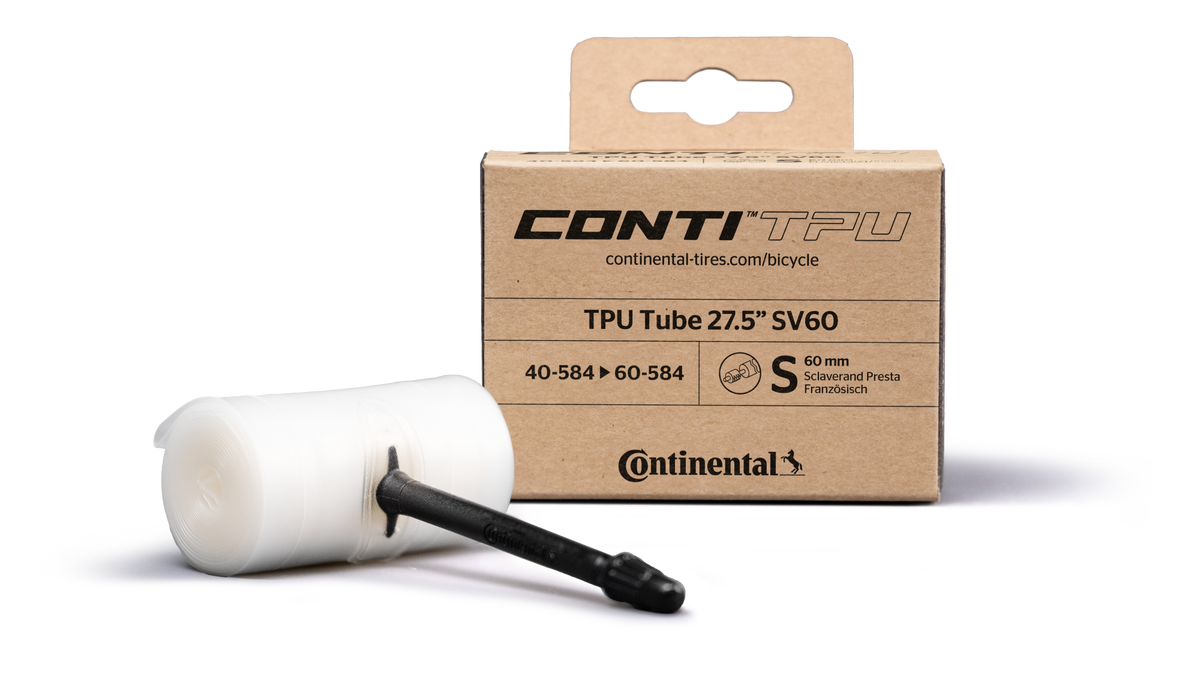
TPU, thermoplastic polyurethane, is the newest option. It is a thin, light plastic tube. It is dramatically lighter than both others, holds air far better than latex, packs down tiny for a spare, and rolls close to latex. Its drawbacks are higher cost, fiddlier patching, and, on some early models, fragile plastic valves. Newer TPU tubes with metal valves have addressed much of that.
What the test data shows
The numbers come from independent rolling resistance testing and from performance consultants such as AeroCoach and Bicycle Rolling Resistance.
On weight, the gap is large. A standard butyl tube is around 90 to 120 grams. A latex tube is around 60 to 85 grams. A good TPU tube can be 20 to 45 grams. That is rotating weight at the wheel, where it matters most for acceleration and climbing feel.
On rolling resistance, butyl is clearly the slowest. Latex is the lowest. TPU sits very close to latex, close enough that for most riders the difference is within a fraction of a watt. As a rough guide, AeroCoach testing found a pair of latex tubes saving on the order of 7 watts over standard butyl at 45 km/h, with good TPU not far behind. Going tubeless saves a similar amount again over butyl, by removing the tube-to-tyre friction entirely.
On air retention, TPU is the standout, holding pressure far longer than latex and comparable to or better than butyl. On durability, butyl is the most robust, latex the most fragile, and TPU somewhere in between with good puncture behaviour but trickier repairs.
The honest summary
For outright lowest rolling resistance under controlled conditions, latex still wins by a hair. For the best overall package, modern TPU is hard to beat: nearly latex speed, far lighter, excellent air retention, and a spare that fits in a jersey pocket. Butyl remains the sensible, reliable, cheap default, and a fine choice for everyday and winter riding where you value robustness over a couple of watts.
A note on context. The difference between latex and TPU is small enough that tyre choice, tyre pressure, and road surface matter more than which of the two you pick. Our guide to tyre width and pressure covers where the larger gains are. Spend your attention there first, then choose a tube to match how you ride.
Which to choose
Choose butyl for everyday riding, commuting, and bad weather, where reliability and easy repairs win. Choose latex for racing and fast group rides if you accept inflating before every ride and careful fitting. Choose TPU for performance riding where you want low weight, good speed, and a compact, reliable spare, and you do not mind the cost. Whatever you choose, make sure it matches your tyre size, and check our hookless rims guide if you are weighing tubes against a tubeless setup.
The IKUISTA approach is to point out the cheap, real gains first. A better tube is one of the lowest-cost upgrades on the bike, and the data backs it.
Your turn
What tubes are you running, and have you felt or measured a difference after switching? Tell us in the comments. If you want a recommendation for your tyres and riding, get in touch.
Frequently asked questions
Which inner tube is fastest?
Latex has the lowest rolling resistance in tests, with modern TPU very close behind. Butyl is clearly the slowest. Tubeless removes the tube-to-tyre friction and is faster again than butyl.
Are TPU tubes worth it?
For performance riders, yes. They are far lighter than butyl, roll close to latex, hold air well, and pack down small. The trade-offs are cost and fiddlier repairs.
How much faster than butyl?
As a guide, a pair of latex tubes saved on the order of 7 watts over standard butyl at 45 km/h in AeroCoach testing, with good TPU not far behind. Real-world gains depend on tyre and surface.
Do TPU tubes hold air?
Yes. TPU holds pressure far better than latex and comparably to butyl, which is one of its practical advantages over latex.
Is butyl still a good choice?
Yes, for everyday riding, commuting, and wet conditions where reliability and easy patching matter more than a couple of watts.
Compare all four IKUISTA models
Vektori · Fluxi · Spektri · Halo
Share:
Tyre Width and Pressure: What Is Actually Fastest
Aero vs Weight: Which Actually Makes You Faster