Remember when buying a bike meant heading down to your local shop, chatting with a salesperson who may or may not have known what they were talking about, and paying a premium price for the privilege? Yeah, those days are rapidly becoming a thing of the past. The cycling world is experiencing a massive shift, and it's all thanks to the rise of direct-to-consumer bike brands that are revolutionizing how we shop for our two-wheeled companions.

If you've been paying attention to the cycling industry over the past decade, you've probably noticed something pretty significant happening. The traditional bike shop model is being challenged by a new breed of online bike brands that are changing the game entirely. These aren't just random websites selling knockoff bikes from a warehouse somewhere. We're talking about legitimate, high-quality direct to consumer bike brands that are built by passionate cyclists, engineered by experts, and delivered straight to your door.

The shift toward buying bikes online has been nothing short of revolutionary. What started as a niche market has exploded into a legitimate force that's reshaping how the entire cycling industry operates. And honestly? It makes total sense when you think about it.

The Rise of Direct-to-Consumer Bike Brands

Let's talk about what's actually happening in the cycling world right now. The direct-to-consumer model isn't new in retail, but its application to the bike industry has been transformative. Companies like Canyon, YT, Propain, Ribble, and Rose have proven that you don't need a massive network of physical shops to build a thriving bike business. In fact, you might be better off without them.

The beauty of the D2C bicycle brands model is straightforward: eliminate the middleman, reduce costs, and pass those savings directly to the customer. But it's not just about saving money, though that's certainly a nice benefit. It's about creating a direct relationship between the brand and the rider. When you buy a bike online from a modern bike brand, you're not just getting a product. You're getting access to a company that's invested in your experience from start to finish.

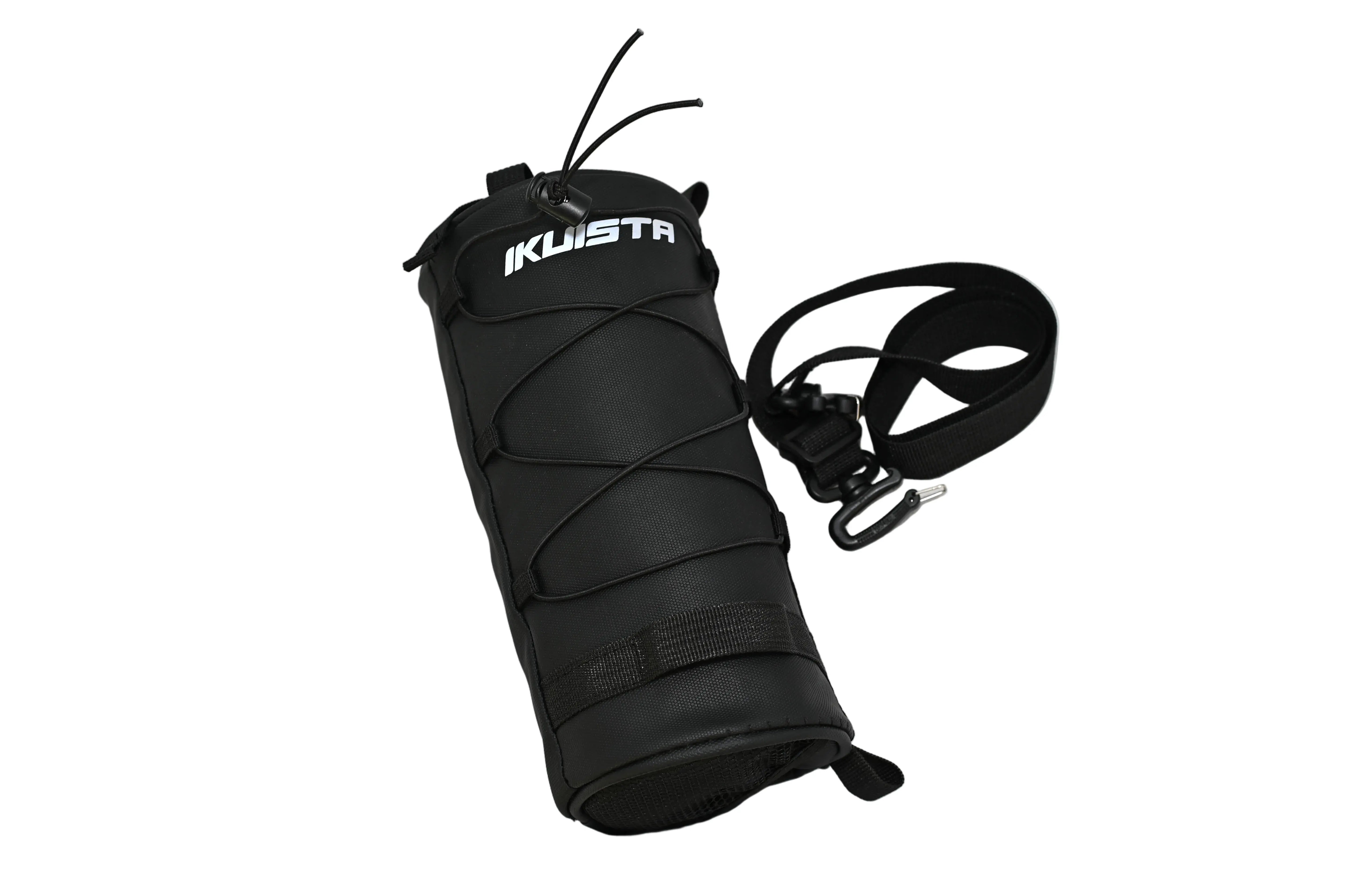
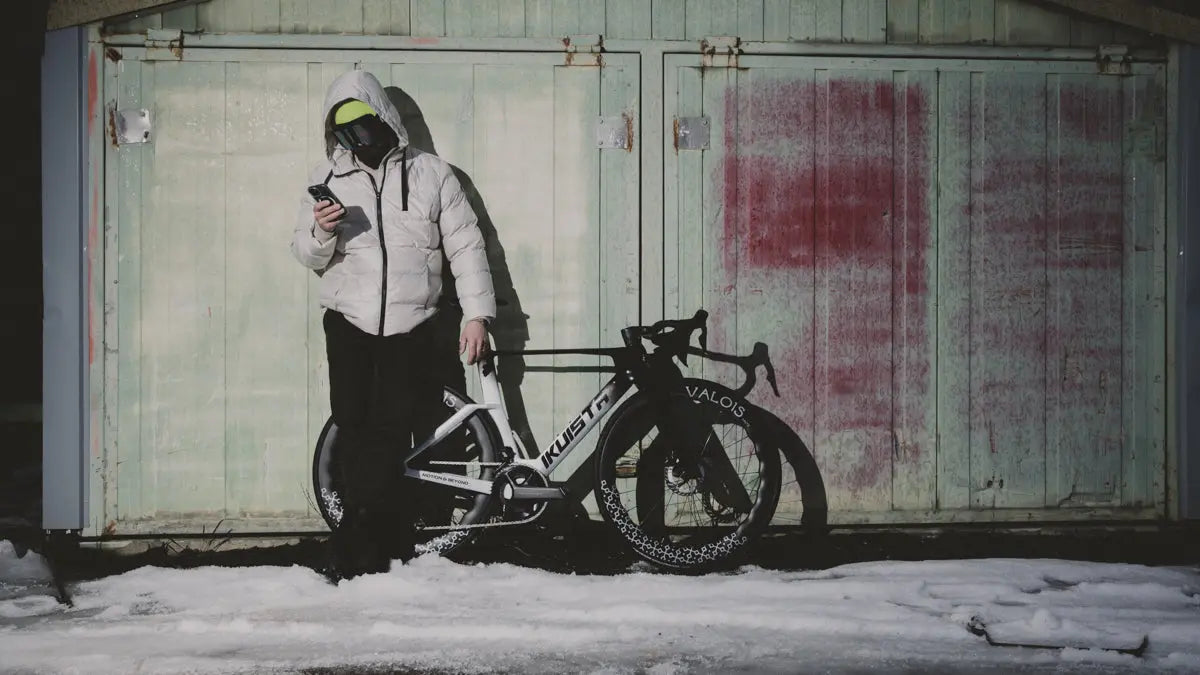
Think about IKUISTA, for example. This Finnish brand embodies everything that makes direct-to-consumer bikes so appealing. They're not just selling you a bike; they're offering you a part of your journey. The bikes are expertly assembled in Finland, designed with meticulous attention to detail, and built to move with you, wherever life takes you. That's the kind of philosophy that resonates with modern cyclists who want more than just a generic machine.

The online bike brand revolution has fundamentally changed what's possible in the cycling industry. Brands can now invest more heavily in research and development, materials, and craftsmanship because they're not spending enormous amounts on retail overhead. That means better bikes at better prices. It's a win-win situation that traditional bike shops simply can't compete with.

Why Buy Bike Online? The Practical Advantages

So why are more and more cyclists choosing to buy bikes online instead of visiting their local shop? There are actually quite a few compelling reasons, and they go beyond just saving a few dollars.

First, there's the convenience factor. When you buy bike online, you're not limited by shop hours or location. You can browse premium road bikes online at midnight in your pajamas if you want to. You can compare specs, read reviews, and make an informed decision without any pressure from a salesperson. For many people, this alone is worth the switch to online shopping.

Then there's the selection. When you shop at a physical bike shop, you're limited to whatever inventory they have on hand. Maybe they stock three models in your size, and maybe none of them are exactly what you're looking for. When you shop online, you have access to the entire catalog of whatever brand you're interested in. Want a specific color? A particular component setup? You can usually get it, or at least order it.

The pricing advantage is also significant. Because online bike brands don't have the overhead of maintaining physical retail locations, they can offer better prices on comparable equipment. You're getting premium road bikes online at prices that would have been unthinkable just ten years ago. That's not a coincidence; that's the direct-to-consumer model working exactly as intended.

There's also something to be said about the transparency that comes with buying bikes online. Most reputable D2C bicycle brands provide detailed specifications, component lists, and honest reviews. You know exactly what you're getting before you order. There's no guesswork, no pressure to upgrade to components you don't need, and no confusion about what's actually included in the price.

And let's not forget about the customization options. Many modern bike brands allow you to configure your bike exactly how you want it. Want different handlebars? Swap them out. Prefer a different saddle? No problem. This level of customization is rarely available when you buy from a traditional bike shop, where you're mostly limited to whatever the manufacturer decided to include.

The Modern Bike Brands Changing the Game

The landscape of online bike brands is incredibly diverse and exciting right now. Let's talk about some of the players who are really making waves in the industry.

Canyon has been one of the pioneers in this space. They've proven that you can build a massive, successful bike company without relying on traditional retail distribution. Their direct-to-consumer model has allowed them to offer high-quality bikes at competitive prices, and they've built a loyal following of riders who appreciate their approach.

YT is another brand that's completely disrupted the mountain biking world. They started as a direct-to-consumer brand and have maintained that focus even as they've grown. Their bikes are known for innovative design and excellent value, and they've shown that you don't need a massive retail presence to be taken seriously in the cycling industry.

Propain is a German brand that's gained a cult following among serious mountain bikers. They focus on quality over quantity, building bikes that are designed for specific riding styles and conditions. Their direct-to-consumer approach means you're buying directly from the people who designed and built your bike, which creates a special kind of connection.

Ribble is a British brand with a long history, but they've modernized their approach and embraced the direct-to-consumer model. They offer a wide range of bikes, from road bikes to gravel bikes, and they've built a reputation for quality and customer service.

Rose is a German brand that's been around for decades, but they've successfully adapted to the modern market. They offer a huge range of bikes and components, and their direct-to-consumer model has made them more accessible to riders around the world.

And then there's IKUISTA, the Finnish brand that's bringing a fresh perspective to the direct-to-consumer bike market. They're not just selling bikes; they're building a community of riders who share a philosophy about what cycling means. Their bikes are expertly assembled in Finland, and every detail is considered carefully. When you buy an IKUISTA bike, you're getting something that's been built with care and attention to detail.

How the Direct-to-Consumer Model Works

Understanding how the direct-to-consumer model actually works can help you appreciate why it's so effective. It's not magic; it's just a smarter way of doing business.

When you buy a bike from a traditional bike shop, that bike has gone through several layers of distribution. The manufacturer sells to a distributor, who sells to the retailer, who sells to you. Each step in that chain adds cost and markup. By the time you buy the bike, you're paying for all of those middlemen.

When you buy bike online from a direct-to-consumer brand, you're cutting out those middlemen entirely. The manufacturer sells directly to you. This means lower costs, but it also means something else: better communication and a stronger relationship between the brand and the customer.

Most D2C bicycle brands handle their own customer service, which means you're talking to people who actually know the bikes inside and out. If you have a question about your bike, you're not talking to a shop employee who might not be familiar with your specific model. You're talking to someone who helped design or build it.

The direct-to-consumer model also allows brands to be more agile and responsive to customer feedback. If riders are asking for a specific feature or component option, the brand can implement that change relatively quickly. They're not waiting for distributors to place orders or retailers to sell through existing inventory.

This model also enables brands to invest more heavily in quality. Because they're not spending money on retail overhead, they can put more resources into materials, manufacturing processes, and quality control. That's why premium road bikes online from direct-to-consumer brands often offer better value than comparable bikes from traditional manufacturers.

The Cycling Industry Changes We're Witnessing

The rise of direct-to-consumer bikes is part of a larger transformation happening in the cycling industry. This isn't just about how bikes are sold; it's about how the entire industry is evolving.

For decades, the cycling industry was dominated by a handful of large manufacturers who relied on a network of distributors and retailers to get their products to customers. This system worked, but it was also rigid and slow to change. If you wanted a bike with specific features or components, you were often out of luck unless the manufacturer had decided to include those things in their standard lineup.

The direct-to-consumer model has broken that stranglehold. Now, smaller brands can compete effectively with larger manufacturers because they don't have the same overhead costs. This has led to more innovation, more variety, and more options for consumers. It's a genuinely exciting time to be shopping for a bike.

The traditional bike shop model is also evolving in response to this competition. Some shops have embraced the change and are now focusing on services like fitting, maintenance, and repairs rather than just selling bikes. Others are partnering with online brands to offer hybrid models. The shops that are thriving are the ones that have adapted and found new ways to provide value to their customers.

We're also seeing changes in how bikes are manufactured and assembled. Many direct-to-consumer brands are choosing to assemble bikes in their home countries rather than outsourcing to Asia. This allows them to maintain better quality control, support local economies, and reduce shipping distances. IKUISTA's decision to assemble bikes in Finland is a perfect example of this trend.

The cycling industry is also becoming more transparent. Direct-to-consumer brands tend to be more open about their sourcing, manufacturing processes, and pricing. This transparency has raised expectations across the entire industry, and consumers are increasingly demanding to know where their bikes come from and how they're made.

Why Online Bike Brands Are Better for Consumers

Let's be honest: the shift toward online bike brands is genuinely better for consumers. There are several reasons why this is the case.

First, there's the price advantage. When you buy bike online from a direct-to-consumer brand, you're typically paying less than you would for a comparable bike from a traditional manufacturer. This isn't because the quality is lower; it's because the distribution model is more efficient. You're getting better value for your money.

Second, there's the selection and customization. Online bike brands typically offer more options and more ways to customize your bike to your specific needs and preferences. You're not limited to whatever the local shop happens to have in stock.

Third, there's the transparency. Direct-to-consumer brands are usually very open about what goes into their bikes. You can see the exact components, read detailed specifications, and understand exactly what you're paying for. There's no hidden markup or pressure to upgrade to components you don't need.

Fourth, there's the customer service. Because direct-to-consumer brands have a direct relationship with their customers, they tend to be more responsive and more invested in your satisfaction. If you have a problem with your bike, you're dealing with the company that made it, not a middleman retailer.

Fifth, there's the community aspect. Many online bike brands have built strong communities of riders who share their philosophy and values. When you buy from one of these brands, you're not just getting a bike; you're joining a community of like-minded cyclists.

Finally, there's the innovation factor. Direct-to-consumer brands are often more willing to experiment with new designs, materials, and technologies because they're not constrained by traditional retail expectations. This leads to more interesting bikes and more options for consumers.

The Experience of Buying Bikes Online

One thing that skeptics often worry about is whether buying bikes online will be a good experience. After all, a bike is a significant purchase, and you want to make sure you're getting something that's right for you. The good news is that most reputable direct-to-consumer brands have figured out how to make the online buying experience excellent.

Most online bike brands provide detailed size guides and fitting information to help you choose the right size. Many offer video tutorials showing how to unbox and assemble your bike. Some even offer virtual consultations with experts who can help you choose the right model for your needs.

The unboxing experience is often carefully designed. Brands like IKUISTA understand that the moment you receive your bike is special, and they want to make sure that moment is memorable. The bike arrives well-packaged, with clear instructions and all the tools you need to get started.

Most direct-to-consumer brands also offer excellent return policies and warranties. If you're not happy with your bike, you can usually return it within a certain period. This takes a lot of the risk out of buying bikes online.

And then there's the ongoing support. If you have questions about your bike after you've bought it, you can usually reach out to the brand directly. Many online bike brands offer email support, chat support, and even phone support. Some have built communities where riders can ask questions and share experiences.

The experience of buying bikes online has come a long way. It's no longer a risky proposition; it's actually often a better experience than buying from a traditional bike shop.

Comparing Online Bike Brands: What to Look For

If you're thinking about buying a bike online, it's helpful to know what to look for when comparing different brands and models. Not all direct-to-consumer bike brands are created equal, and there are definitely some that are better than others.

First, look at the components. What parts is the bike using? Are they from reputable manufacturers like Shimano, SRAM, or Campagnolo? Are the components appropriate for the type of riding you'll be doing? Don't just look at the brand name; look at the specific models and understand what you're getting.

Second, look at the frame material and construction. Is it steel, aluminum, carbon fiber, or something else? How is it manufactured? What kind of warranty does it come with? A good direct-to-consumer brand will be transparent about these details.

Third, look at the geometry and fit. Different bikes are designed for different purposes and different body types. Make sure the bike you're considering is actually suitable for your needs and your body. Most online bike brands provide detailed geometry charts and fitting guides to help you make this decision.

Fourth, look at the brand's reputation and customer reviews. What are other riders saying about the brand? Are they happy with their bikes? Is the customer service responsive? You can usually find this information online through reviews and forums.

Fifth, look at the warranty and return policy. What happens if something goes wrong with your bike? How long is the warranty? What's the return policy if you're not happy with your purchase? A good brand will stand behind their products.

Sixth, look at the value proposition. Is the bike offering good value for the price? Are you getting quality components and construction at a reasonable price? Remember, cheaper isn't always better, but direct-to-consumer brands should offer better value than traditional retailers.

Finally, look at the brand's philosophy and values. Do they align with yours? Are they committed to sustainability? Do they support the cycling community? These things might matter to you, and they're worth considering when choosing a brand.

Premium Road Bikes Online: A Closer Look

If you're interested in premium road bikes online, there's never been a better time to shop. The direct-to-consumer model has made high-quality road bikes more accessible than ever before.

Premium road bikes online from direct-to-consumer brands typically feature high-quality carbon fiber frames, top-tier components, and careful attention to aerodynamics and weight. These bikes are designed for serious cyclists who want the best performance possible.

The advantage of buying premium road bikes online is that you can get genuinely high-end equipment at prices that would have been unthinkable just a few years ago. A premium road bike that might cost $3,000 or more from a traditional manufacturer might be available for $2,000 or less from a direct-to-consumer brand, and the quality might actually be better.

Many online bike brands offer customization options for their premium road bikes. You can choose your component groupset, your wheel set, your handlebars, and more. This allows you to build a bike that's perfectly suited to your needs and preferences.

The direct-to-consumer model also means that premium road bikes online are often more innovative. Brands aren't constrained by traditional retail expectations, so they can experiment with new frame designs, new materials, and new technologies. This leads to bikes that are genuinely cutting-edge.

If you're considering buying a premium road bike online, take the time to research the different brands and models available. Compare specifications, read reviews, and think carefully about what you're looking for in a bike. The good news is that you have more options than ever before, and the quality is genuinely excellent.

The Future of Bike Shopping

Where is all of this heading? What does the future of bike shopping look like?

It's pretty clear that the direct-to-consumer model is here to stay. More and more cyclists are discovering the advantages of buying bikes online, and more and more brands are embracing this model. The traditional bike shop model isn't going away entirely, but it's definitely evolving.

We're likely to see continued innovation in how bikes are designed, manufactured, and delivered. Brands will continue to find ways to improve quality while reducing costs. We'll probably see

Latest Stories

This section doesn’t currently include any content. Add content to this section using the sidebar.