
If you gave most cyclists €1,000 to spend on their bike, what would they choose?
Some would immediately upgrade to electronic shifting.
Others would invest in carbon wheels.
Both upgrades can improve your riding experience, but they do so in very different ways.
If you're building a new bike or planning your next upgrade, understanding the difference can help you get more value from your budget.
Why Riders Love Electronic Shifting
Electronic shifting has transformed modern road and gravel bikes.
Systems such as Shimano 105 Di2, Ultegra Di2 and SRAM AXS deliver incredibly precise gear changes with minimal maintenance.
The benefits are easy to notice:
- Consistent shifting performance
- Fast gear changes under load
- Minimal cable maintenance
- Clean cockpit integration
- Excellent long-term reliability
Once riders switch to electronic shifting, very few want to return to traditional mechanical systems. The improvement is noticeable every time you change gear.
Why Carbon Wheels Feel Different
Electronic shifting changes how your bike shifts. Carbon wheels change how your bike rides. A quality wheelset influences almost every aspect of performance:
- Acceleration
- Aerodynamics
- Cornering
- Climbing feel
- Ride quality
- Overall responsiveness
This is why many experienced cyclists consider wheels the most impactful upgrade available.
Unlike a groupset upgrade, the effect is felt continuously throughout every ride.
Acceleration and Responsiveness
One of the first things riders notice after upgrading to carbon wheels is how lively the bike feels.
Each acceleration requires less effort.
The bike responds more quickly when sprinting, climbing or exiting corners.
This sensation is often described as making the bike feel more eager and energetic.
It is one of the reasons why wheel upgrades are so popular among experienced riders.
Aerodynamics Matter More Than Most Riders Think
At speeds above roughly 30 km/h, aerodynamic drag becomes the largest resistance force cyclists face.
Modern carbon wheelsets are specifically designed to reduce drag and improve efficiency.
A well-designed aero wheelset can provide measurable performance gains without requiring the rider to produce additional power.
This is why wheel development remains a major focus for performance-oriented brands.
What About Ride Comfort?
Many riders assume carbon wheels are harsh.
That may have been true years ago, but modern carbon wheelsets are very different.
Advances in rim design, carbon layups and wider internal rim widths have significantly improved ride quality.
Modern wheelsets can provide a combination of responsiveness, stability, comfort and efficiency that was difficult to achieve in previous generations.
So Which Upgrade Should You Choose?
If you currently ride a mechanical groupset and spend long hours on the bike, electronic shifting can be transformative.
It improves every shift and reduces maintenance requirements.
However, if your bike already has a modern groupset, wheels often provide the more noticeable performance improvement.
Many experienced cyclists would choose premium wheels before moving from Shimano 105 Di2 to Ultegra Di2.
The reason is simple. Wheels affect every second of every ride.
The Valois Approach
At IKUISTA, wheel performance is treated as a core part of the riding experience rather than an afterthought.
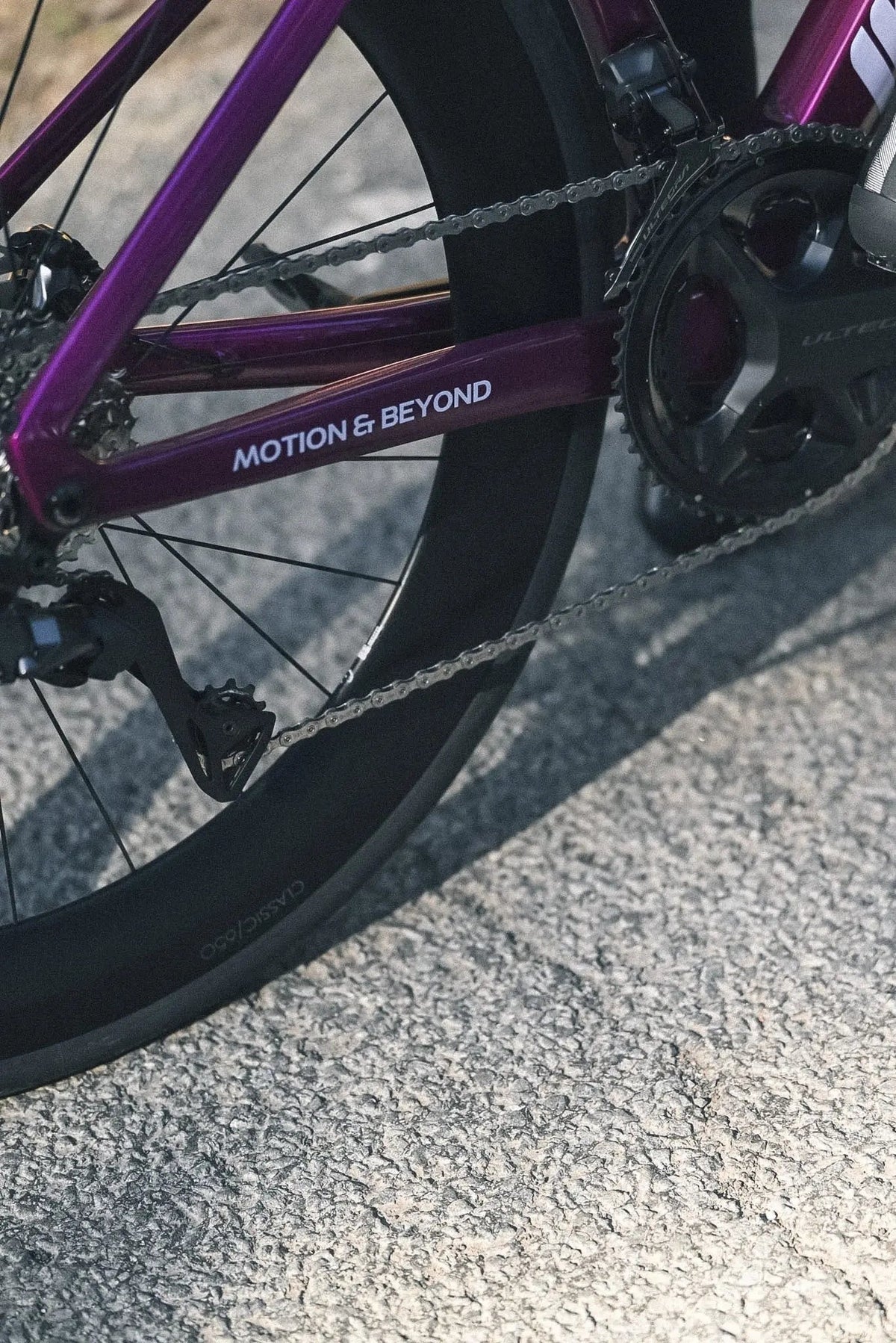
The Valois HBRD 45 Wheelset was developed as a balanced carbon wheelset for road, all-road and gravel performance. With a 45 mm rim depth, modern wide profile and carbon construction, it aims to combine aerodynamic efficiency, stability and everyday rideability.
Rather than chasing extreme rim depths or the lowest possible weight, the focus is on creating a wheelset that performs across a wide range of conditions.
Who Benefits Most from Carbon Wheels?
- Road cyclists looking for more speed
- Endurance riders seeking efficiency over long distances
- Gravel riders wanting a more responsive bike
- Cyclists upgrading from entry-level alloy wheels
- Riders building a premium bike for long-term ownership
The bigger the difference between your current wheels and your new wheelset, the more noticeable the upgrade tends to be.
Frequently Asked Questions
Do carbon wheels make you faster?
Yes. Carbon wheels can improve aerodynamics, acceleration and efficiency. The exact gain depends on wheel design, riding speed and conditions.
Should I upgrade wheels or groupset first?
If you already have a modern groupset, wheels often provide the larger performance improvement. If you're still riding an older mechanical groupset, electronic shifting may be the better first upgrade.
Are carbon wheels worth it for recreational cyclists?
For many riders, yes. Carbon wheels can improve both ride quality and performance, even if racing is not a priority.
Do deeper wheels always make a bike faster?
Not necessarily. Deeper rims can improve aerodynamics but may also become more demanding in strong crosswinds. Balance is often more important than maximum depth.
Final Thoughts
Electronic shifting improves the way your bike operates. Carbon wheels improve the way your bike feels.
Neither choice is wrong.
But if your goal is to make a bike feel faster, more responsive and more enjoyable every time you ride, a quality carbon wheelset is often the upgrade riders notice most.
That is why wheels remain one of the most popular upgrades in modern cycling.
Want to see how a modern carbon wheelset is built? Explore the Valois HBRD 45 Wheelset.
Compare all four IKUISTA models
Vektori · Fluxi · Spektri · Halo
Share:
Best Carbon Road Bike Under €5000: What Actually Matters?
Ikuista closes the loop: bikes return to circulation through Kuusakoski